Anh-Minh Do · · 7 min read
Haravan: Vietnam’s Shopify eats the real Shopify for lunch
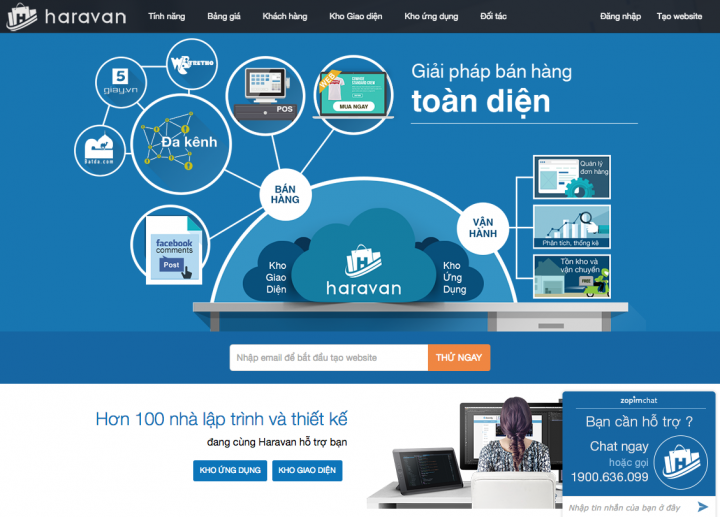
One of the hidden gems of Vietnam right now is the venture builder Seedcom. The new venture capital portfolio has invested in over twelve companies already (and owns a massive 200-hectare piece of land in Vietnam’s highlands). All of these companies have some kind of connection to supply chain, retail, and ecommerce. One promising company in the mix is Haravan, Seedcom’s ecommerce platform startup.
Understanding Haravan vs. Shopify
From the outside, Haravan (an alliteration of “Hai Ra Vang”, meaning to pick gold like you pick fruit) may resemble a Shopify for Vietnam. And indeed, at its core, its mission and the way it operates are fundamentally similar. This is from the Shopify website:
We focus on making commerce better for everyone, so businesses can focus on what they do best: building and selling their products. Today, merchants use our platform to manage every aspect of their business – from products to orders to customers, selling online, in retail stores, and on the go.
That’s precisely what Haravan is doing; it’s a platform for shops, retailers, and new SME ecommerce merchants to run their businesses offline and online. To the average Vietnamese user, it may look like a WordPress clone, where you can create a website using provided free and paid templates. But Haravan takes WordPress and Shopify’s basic core concept and expands on it considerably, placing it firmly into a Vietnamese context. This is rare in Vietnam, where copying is rampant but shallow. Haravan is a case where the cofounders identified a problem and then found a model that fit. They started with Vietnam’s burgeoning underserved SME ecommerce market, researched various models, and ended up with Shopify. The chart below outlines the model:
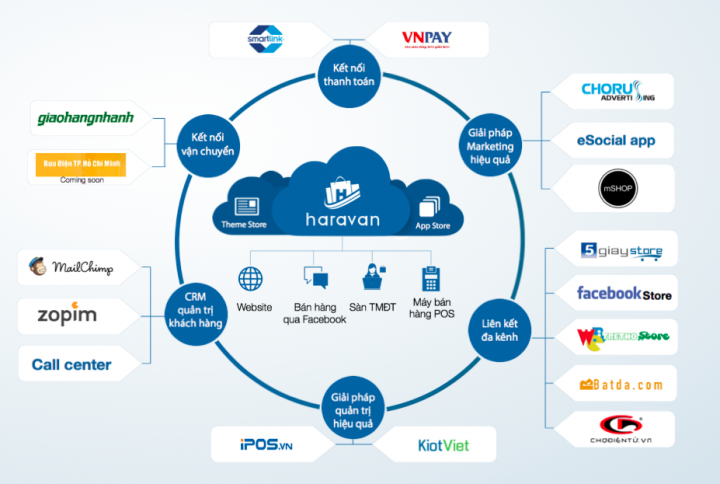
In detail, this means Haravan provides the following:
- Like Shopify, Haravan does all the basics. It has an API for third-party providers to create more features, it provides a POS platform for offline businesses to manage their inventory, marketing and ad integration, etc. etc.
- Haravan coordinates with local logistics companies to automatically provide logistics services to SME’s. Most notable of those is Giao Hang Nhanh, another Seedcom portfolio company (note that Giao Hang Nhanh also provides third party logistics services to Lazada and other large ecommerce contracts as well).
- Adjacent to Haravan’s logistics partners, the company also connects with prominent payment gateways like Smartlink and VNPay.
- Since most Haravan users are SMEs, managing customers can be unwieldy. They don’t have the resources to do it well. Thus, Haravan provides a full customer service toolset. This includes integrating email, newsletter, call center, and chat services into Haravan. Users can easily manage all of this through their dashboard.
- Given Vietnam’s forum-heavy social media space, Haravan provides forum integration for SMEs. This means Haravan works directly with forums to embed a store into forum comments. Sounds weird, right? Basically, if I am a shop owner, I can comment and have my store website embedded directly into a comment. The user interested in my products doesn’t even have to leave the forum to shop. Haravan works directly with forums like WebTreTho and 5giay (both among the top 30 most visited websites in Vietnam) to build the embedded ecommerce stores inside of their forums. The feature itself is interesting, but it underlines two of Haravan’s competitive advantages: 1) its five founders are all technical people that can think of and build these kinds of tools 2) Haravan’s leadership has the relationships to integrate SMEs into target markets their users need.
- In line with forum integration, Haravan provides Facebook crawling. Remember Page365 from Thailand? It helps Facebook Page sellers by crawling orders placed in comments and messages on their Facebook Page, and then organizes everything into a dashboard. Haravan does this as well.
On top of all these features, Haravan’s team understands the importance of literally hitting the ground running and has monthly events in Vietnam’s major cities to market and teach local merchants how to use Haravan. Their model is primed to be very down-to-earth, helping offline merchants, small ecommerce players, and the growing “omnichannelers”.
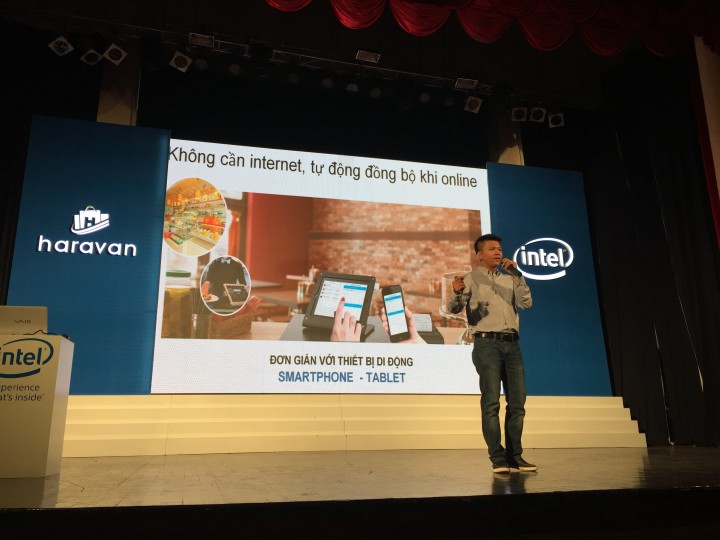
The Haravan story
It doesn’t take a genius to intuit that Haravan started with SMEs at heart. That’s because Huynh Lam Ho, one of the five cofounders of Haravan, tried his hand as a merchant originally. Huynh elaborates:
Haravan’s potential





Stay updated on the go with our mobile app.
Get latest insights with smoother, more personalized experience through TIA mobile app.